Recently, while browsing YouTube, I came across a video of my favorite chess influencer Dina Belenkaya playing against Turkish chess influencer Sabo. Their energy, humor, and interaction immediately drew me in. Dina’s playful style and Anna Cramling’s engaging commentary always make following chess far more enjoyable for me.
Although I’m only an amateur who plays rarely these days, I’ve always dreamed of improving my chess skills. For me, chess is not just about competition—it’s about fun, excitement, and the thrill of discovery. Watching that video gave me a burst of motivation, so I logged into Chess.com and played two games. The second one turned out to be particularly memorable.
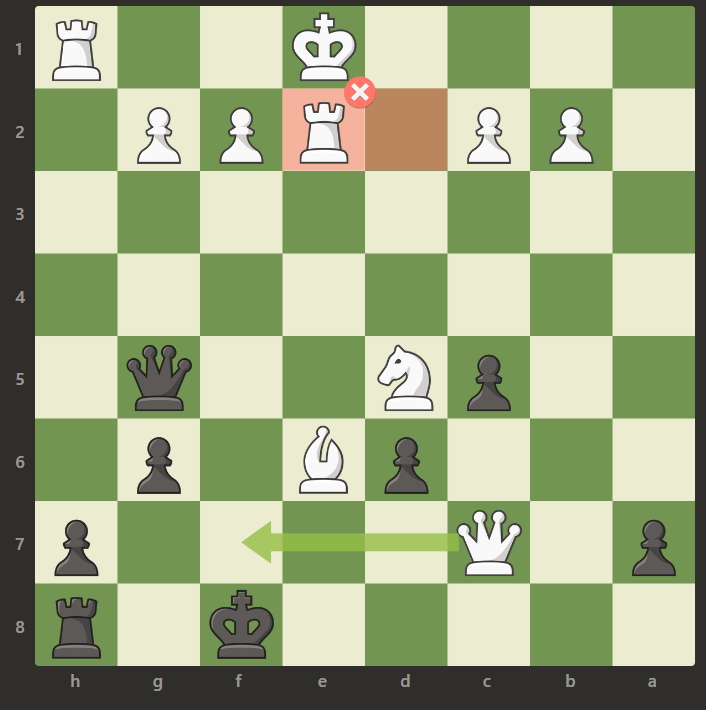
In that game, I was clearly the weaker player from the start. My opponent had the advantage and was close to checkmating me. At one point, I had almost lost hope. But then, in a surprising twist, my opponent made a mistake. I seized the opportunity, moved my queen to C1, and delivered checkmate. My main goal throughout the game had been to protect my queen, and that persistence ultimately led me to victory.
This experience reminded me of something important: motivation changes everything. Even when the odds are against you, staying engaged and refusing to give up can lead to unexpected results.
The Role of Motivation in Chess
- My first game that day wasn’t very interesting. I win without an effort.
- But in the second game, I approached it differently. I allowed myself to fully immerse in the experience, focusing not on the outcome but on the process.
- That immersion gave me energy, sharpened my focus, and even felt like it triggered a positive mental state.
It’s fascinating how motivation and immersion can transform not just performance, but also the way we experience the game.
Chess is growing in popularity in Türkiye, and we have many talented young champions making headlines by competing successfully against major international players. Seeing their achievements adds to the excitement and inspires amateurs like me to keep playing, even casually. 🙂
The concept of full immersion is often used in virtual reality, describing the sensation of being completely present within a digital environment. I borrow this term to describe the mental state I reached during my game. It wasn’t just about winning—it was about experiencing a heightened level of focus and awareness.
I believe this state of mind is deeply healthy. It enriches mental activity, sharpens concentration, and creates a sense of joy in the process itself.
Today, there are even devices designed to help people reach states of focus and immersion by monitoring or stimulating brain activity. In the future, such technologies may play a big role in helping society enhance mental performance and well-being. Personally, I’d love to explore this area further—perhaps even building a device to examine brain waves and developing apps around it. That would be both fun and meaningful.
Chess may be one of the oldest games in history, but it continues to inspire new ideas and experiences. For me, watching Dina Belenkaya and Anna Cramling brought humor and energy into the game, which motivated me to play again. That motivation led to a surprising victory and reminded me of the power of persistence, immersion, and positive energy.
Sometimes, the real win isn’t just on the board—it’s in the state of mind we reach while playing.
Thanks—with love and sincerity.
RunOnuR